
Trenchless Sewer Repair in Greenville, NC
Sewer laterals in Greenville fail less from age alone than from movement. Loose sandy backfill on the coastal plain settles under the pipe, joints in old clay tile and cast iron pull apart, and a water table that sits just a few feet down invites roots and groundwater straight into the gaps. Trenchless repair rebuilds the line from inside instead of trenching through a crawlspace footprint, a mature yard, or a driveway. Expect roughly $95 to $250 per foot for cured-in-place lining or pipe bursting, with most Greenville and Winterville whole-lateral jobs landing between $5,500 and $14,000.
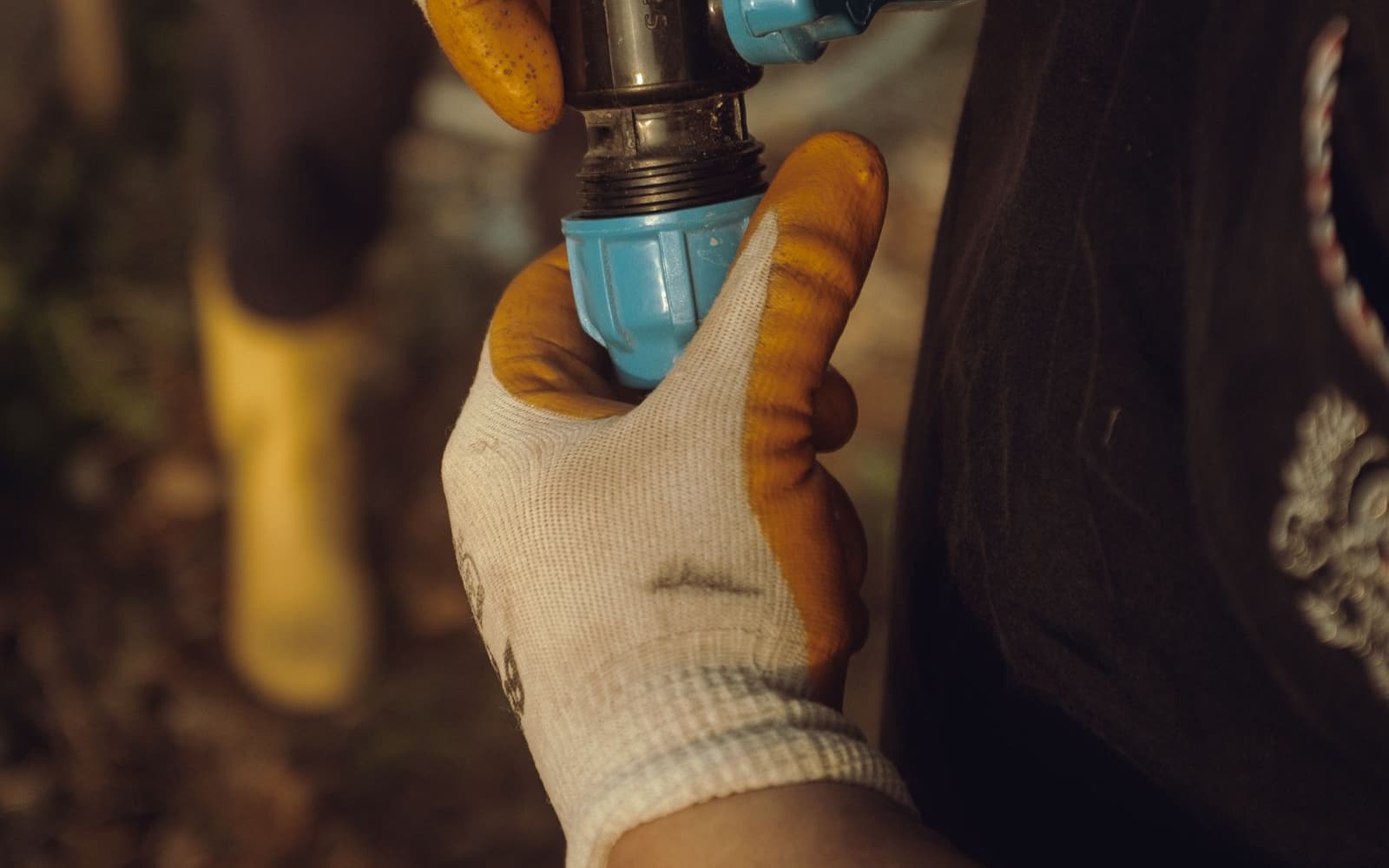
Trenchless repair fixes a failed sewer lateral through one or two small access pits instead of a trench across the property. Cured in place lining (CIPP) inserts a resin saturated sleeve and cures it into a seamless new pipe inside the old one. Pipe bursting pulls new HDPE through while a bursting head shatters the original pipe outward, which works even on lines too damaged to line. A camera inspection decides which method a given line qualifies for.
When trenchless makes sense
- The sewer path runs under a driveway, patio, pool deck, or mature trees
- A camera shows cracks or root intrusion but the pipe still holds its shape
- You want the yard back in a day, not a week
- HOA or historic district rules make surface restoration expensive
- The line runs deep, making open excavation costly
- Backups or gurgling that only show up during and after heavy rain, a sign groundwater is entering through separated joints
- A soft, sunken strip of yard tracking from the house toward the street, where sand has washed into a broken lateral
The Pipe Under Your Yard Depends on When Your House Was Built
Around uptown and the older blocks near East Carolina University, laterals are commonly cast iron out of the house transitioning to clay tile or Orangeburg in the yard. Cast iron thins from the inside until the bottom of the pipe channels out, and clay tile fails at every bell joint. Those are the houses where a camera run usually shows a dozen small problems rather than one break, which is exactly the case for lining the full run instead of spot digging.
Post-war and 1970s to 1980s crawlspace homes often have longer laterals with shallow cover, so root intrusion from mature oaks and pines is heavy. Newer slab-on-grade subdivisions toward south Greenville and Winterville typically have PVC, and when those fail it is usually a settled belly or a joint pulled apart in sandy fill rather than corroded pipe, which favors pipe bursting over lining.
What Sand and Shallow Groundwater Do to the Job
Sandy soil cuts both ways. It is easy to excavate, so access pits go in quickly, but it will not hold a vertical wall. Any pit deeper than about five feet needs shoring or benching, and in Greenville the sand often starts weeping water before the crew gets that deep. Dewatering with a trash pump at the pit is routine here, and it adds hours to the job.
Groundwater matters even more for cured-in-place lining, because the host pipe has to be clean and reasonably dry for the resin to bond and cure. That usually means jetting, a second camera pass, and bypass pumping so nothing runs through the pipe while the liner sets. Homes near the Tar River floodplain and low-lying blocks are the most likely to need extra dewatering. Ask for that line item to be quoted separately instead of buried in a lump sum.
Permits, Inspections, and Where Your Responsibility Ends
Inside the city limits, the plumbing permit and inspection for a sewer lateral replacement go through the City of Greenville building inspections division. Outside the city, in places like Simpson, Grimesland, Stokes, or Falkland, Pitt County inspections handles it. Either way the work has to be done by a licensed plumbing contractor pulling the permit in their own name, and the repair gets inspected before it is covered up, which is why access pits stay open until sign-off.
If Greenville Utilities Commission provides your sewer, confirm before work starts where their responsibility begins at the tap or main, because that boundary changes what you pay for. Outside GUC territory, many homes in Ayden, Farmville, Bethel, and the unincorporated county are on septic. A failed line to a septic tank can often still be lined or burst, but tank and drainfield work falls under county environmental health rules instead.
Trenchless Sewer Repair cost in Greenville
| Scope | Typical Price |
|---|---|
| Camera inspection and locate of the lateral | $225 to $475 |
| Hydro jetting and cleaning to prep for lining | $350 to $850 |
| Sectional spot liner, single joint or short break | $1,800 to $4,500 |
| Full cured-in-place lining, typical 50 to 80 ft lateral | $5,500 to $14,000 |
| Pipe bursting replacement, sandy soil, with access pits | $110 to $250 per ft |
| Two-way cleanout installation and dewatering at pit | $600 to $1,800 |
These are typical Pitt County ranges for planning purposes; final pricing depends on pipe depth, length, groundwater, driveway or sidewalk crossings, and what the camera inspection actually finds.
Frequently Asked Questions
Does trenchless sewer repair work in Greenville's sandy soil and high water table?
Yes, and the sand is part of the reason it is worth doing. Excavating a long trench in loose sand means shoring, a wide spoil pile, and a yard that settles for years. Trenchless keeps digging to two small pits. The high water table does add cost, since crews usually need to dewater the pits and bypass pump during a liner cure.
Do I need a permit to replace a sewer line in Greenville, NC?
Yes. Sewer lateral replacement or lining is permitted work. Homes inside the city limits go through the City of Greenville building inspections division, and homes in the unincorporated parts of Pitt County go through county inspections. A licensed plumbing contractor pulls the permit, and the repair must be inspected before backfill, so plan on the pits staying open a day or two.
How do I know if my problem is roots or a collapsed pipe?
Only a camera will tell you. Root intrusion in older clay and cast iron laterals near uptown and around ECU often clears with jetting for a season, then returns. A pipe that has bellied or pulled apart in sandy backfill will hold standing water on camera and back up regardless of cleaning. Roots can be lined over; a separated or collapsed line usually needs pipe bursting.
How long does a sewer liner last?
Quality CIPP liners are rated for about 50 years. HDPE installed by pipe bursting carries similar or longer expected life. Both remove the root entry points that killed the original pipe.
Can every sewer line be fixed trenchless?
No. Fully collapsed pipe, severe sags, and some misaligned joints disqualify lining, and congested utilities can complicate bursting. The camera inspection determines eligibility before anyone quotes.
Related services in Greenville
Talk to a Local Plumbing Pro Today
One call connects you with a licensed Greenville area plumber. Free estimates on major work.