
Whole House Repiping in Greenville, NC
Greenville's older housing near uptown and the streets around East Carolina University still carries galvanized steel supply line, and after decades in a humid crawlspace those pipes scale shut and rust from the inside. Add the hard freezes that hit the coastal plain every few winters, splitting lines that run through unconditioned crawlspace, and repiping becomes the fix instead of another patch. Most whole house repipes in Pitt County run $4,500 to $12,000, with crawlspace houses at the lower end and slab-on-grade homes toward Winterville and south Greenville at the higher end.
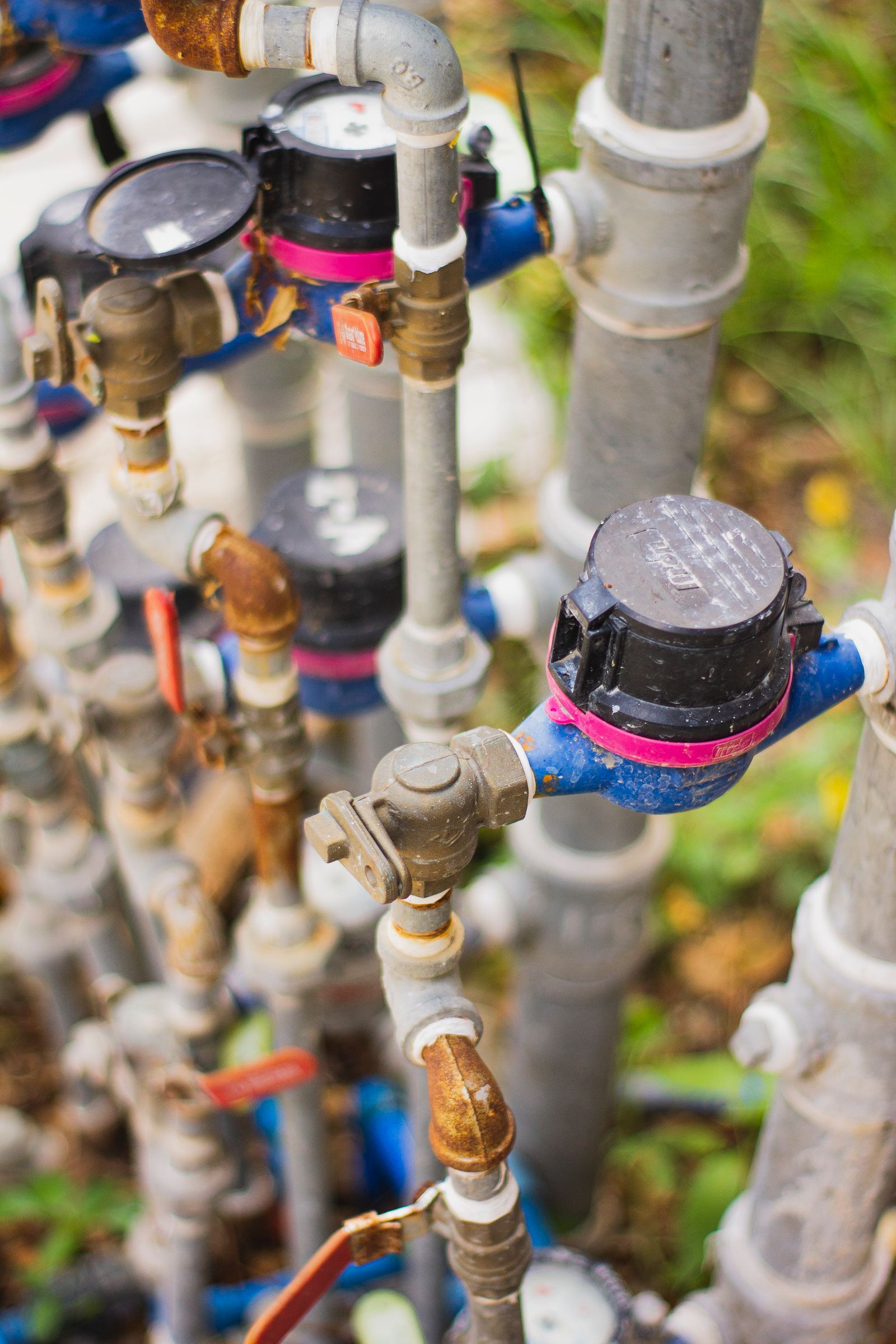
A whole house repipe replaces every water supply line in the home in a single project. It is the permanent fix for recurring pinhole leaks, rusty water, low pressure, and the insurance problems that come with failing pipe. Old lines are abandoned in place or removed, and new PEX or copper is run to every fixture.
Signs your home needs repiping
- More than one leak in the past two years, especially pinhole leaks in copper
- Rust colored or metallic tasting water first thing in the morning
- Noticeable pressure drop when two fixtures run at once
- Visible corrosion, green crust, or damp spots on supply lines
- Your insurer flagged your plumbing during renewal or refused coverage
- Repeated pinhole leaks in crawlspace supply lines after a hard freeze, usually along exterior walls or in an unvented crawl
- Rust-colored water that clears after running the tap, common in galvanized systems in the older blocks near uptown and campus
Why Greenville's Crawlspace Housing Stock Wears Out Supply Lines
Most post-war through 1980s houses in Greenville sit on a crawlspace, not a basement, and the water lines run through that open space under the floor. On the coastal plain that crawl is damp much of the year because the water table is shallow and sandy soil holds moisture near the surface. Galvanized steel in that environment corrodes on the outside while it scales on the inside, so you lose pressure and gain leaks at the same time. The freezes that come through every few winters finish the job: an uninsulated line in a vented crawl can split in a single night. Repiping a crawlspace home is usually the least disruptive version of this job, because a plumber can work from underneath and only open drywall at fixture stub-outs, tub valves, and the water heater connection.
Slab Homes Toward Winterville and South Greenville Change the Job
Newer subdivisions south of town and out toward Winterville lean on slab-on-grade construction. When original supply lines were run in or under that slab, a leak shows up as a warm spot on the floor, an unexplained jump in the water bill, or the sound of running water with everything off. Chasing a single under-slab leak often costs nearly as much as abandoning the slab lines entirely and running new PEX or CPVC overhead through the attic, dropping down inside walls to each fixture. That approach means more drywall patching and more insulation work in the attic, so slab repipes normally land at the top of the price range. In this climate, attic lines need real insulation and careful routing away from soffit vents, or you have traded a slab leak for a freeze risk.
Permits, Inspection, and Who Owns the Water Meter
A whole house repipe is permitted work. Homes inside the city limits go through the City of Greenville building inspections division; homes in the unincorporated parts of Pitt County, or in and around Ayden, Farmville, Grifton, Bethel, and the smaller communities, go through Pitt County inspections or the applicable town office. Expect a rough-in inspection with the new piping pressure tested and still exposed, then a final once everything is closed up. The permit should be pulled by the licensed plumbing contractor, not the homeowner. If your water and sewer come from Greenville Utilities Commission, the utility owns the meter and the service line to it, and you own everything from there into the house. Outside that territory, well and septic homes have no utility to coordinate with, but a pressure tank and well pump add steps to the changeover.
Whole House Repiping cost in Greenville
| Scope | Typical Price |
|---|---|
| Repipe, small 2 bath crawlspace home (PEX) | $4,500 - $7,000 |
| Repipe, 3 to 4 bath crawlspace home (PEX) | $6,500 - $10,000 |
| Slab home repipe rerouted overhead through attic | $8,000 - $14,000 |
| Copper repipe instead of PEX (added cost) | $2,000 - $5,000 more |
| Drywall patch, texture, and paint after repipe | $800 - $3,000 |
| Water heater replacement done at the same time | $1,300 - $2,800 |
These are typical Pitt County ranges for planning purposes; the number of bathrooms, foundation type, pipe material chosen, and how much drywall has to come out will move the final quote.
Frequently Asked Questions
How long does a whole house repipe take in Greenville?
A crawlspace home with two or three bathrooms is usually a two to four day job, with water off for part of each day. Slab homes rerouted through the attic take longer, often four to six days, plus drywall repair afterward. Inspections add scheduling time, since the rough-in has to be looked at before walls are closed.
Should I use PEX or copper for a repipe in Pitt County?
PEX is what most local plumbers install now. It handles a freeze better than rigid pipe, which matters for crawlspace and attic runs here, and it needs fewer fittings inside walls. Copper costs more and takes longer to install. Both are code approved; the decision usually comes down to budget and how much of the run sits in unconditioned space.
Do I need a permit to repipe my house near ECU?
Yes. Homes inside the Greenville city limits are permitted and inspected through the city's building inspections division, and the licensed plumbing contractor should pull it. Rental properties around campus get scrutinized closely, and unpermitted work can create problems at resale or with insurance after a leak. Expect a rough-in inspection before drywall goes back up.
How long does a whole house repipe take?
Two to four days for most single family homes. Water service is usually interrupted for only a few hours during changeover, so you can stay in the home during the project.
Will insurance pay for repiping?
Insurance generally does not pay to replace aging pipe, but it matters in the other direction: many carriers now decline or surcharge homes with polybutylene or heavily corroded galvanized pipe. A completed repipe with permit records often lowers premiums and restores full water damage coverage.
Related services in Greenville
Polybutylene Pipe Replacement
Polybutylene went into a lot of Pitt County houses between the late 1970s and the mid 1990s, exactly the era that filled...
Sewer Line Replacement
Sewer laterals fail here for a specific reason: the loose sandy backfill on the coastal plain shifts and settles, so old...
Talk to a Local Plumbing Pro Today
One call connects you with a licensed Greenville area plumber. Free estimates on major work.